WILL NIGERIA FINALLY ELIMINATE USER FEES FOR HIV RELATED SERVICES IN 2019 – Morenike Folayan

WILL NIGERIA FINALLY ELIMINATE USER FEES FOR HIV RELATED SERVICES IN 2019 – Morenike Folayan

WILL NIGERIA FINALLY ELIMINATE USER FEES FOR HIV RELATED SERVICES IN 2019
Inline image

Elimination of users fees for HIV related services in Nigeria has been an ongoing campaign by the Civil Society in Nigeria since 2014. It equally became a concern for donors and partners – PEPFAR, CCM and NACA – when its impact on the Nigeria epidemic became apparent from their data: user fees was a barrier to HIV treatment service uptake, retention in care and virological suppression. If Nigeria was to make any further headway to meeting its 2030 goal, the elimination of user fees was definitely critical.


At the 2018 CSO Accountability Forum hosted by the Peer Review Forum, a watchdog organization for the HIV response in Nigeria, the call for the elimination of user fees for HIV related services became very loud. Over and over, participants at the conference asked for unconditional elimination of user fees. A protest was held and the call became louder. This call had been made every year at its 2016 and 2017 CSO Accountability Forum. The call this year was audible even to the deaf – the user fee was a significant cause of morbidity and mortality for people living with HIV in Nigeria. It was no longer negotiable. User fees had to be eliminated and the government needs to take this call seriously otherwise it will loose the comradeship it had enjoyed with the civil society.

Inline image

 The Peer Review Forum therefore made the campaign for the elimination of user fees for HIV related services one of its four priority advocacy agenda for 2019.


PEPFAR equally made this a priority action. The draft COP19 PEPFAR Guidance noted tat as a minimum, for the country to access funds above its maintenance funds, elimination of user fees was not negotiable. “Elimination of all formal and informal user fees in the public sector for access to all direct HIV services and related services, such as ANC and TB services, affecting access to HIV testing and treatment and prevention.“


PEPFAR is strategic for the HIV response in Nigeria. It currently provides up to 72% if the HIV response fund in Nigeria. PEPFAR continued funding of the response at this time is critical.

Inline image

Fees are charged in many public, private and faith-based health facilities receiving donor support. The ranges of fees charged are below:

        Registration:  N50 – N2,000

        Consultation: N150 – N2,000

        Laboratory services: N200 – N13,000

        Pharmacy/Drugs: N200 – N1,200

        Consumables like syringes- N50 – N100

        ANC services (C-section) – Up to N88,000


Prior to the PEPFAR COP19 planning meeting in South Africa that held from the 18th to the 22nd of March, 2019, The Director General of the National Agency for the Control of AIDS called for a meeting of stakeholders to discuss the elimination of user fees. The discussions at this strategic meeting – called the ETG meeting – seems to have crystallized today at the PEPFAR COP19 meeting in South Africa.

Dr Sani Aliyu, the DG of NACA, presented an articulated plan for the elimination of user fees at the just concluded PEPFAR COP19 planning meeting in South Africa. The six-prong approach highlighted should hopefully start the process of eliminating user fees for HIV service access in Nigeria.

The proposed meeting with the Commissioner of Health of the seven priority state later this month to discuss the elimination of user fees is a welcome development. We hope lessons from the seven state will be scaled up and the 36+1 states will be covered by February 2020. The seven priority states are those highlighted in red in the slide below.

Inline image

By

Morenike Folayan 

New HIV Vaccine and Microbicide Advocacy Society (NHVMAS)

Open letter to the Presidency for the Global Fund Replenishment

Open letter to the Presidency for the Global Fund Replenishment

14 February 2019
His Excellency,
President Mohammad Buhari GCFR
President of the Federal Republic of Nigeria
Presidential Villa
Abuja, Nigeria.

Your Excellency,
OPEN LETTER TO HIS EXCELLENCY, PRESIDENT OF THE FEDERAL REPUBLIC OF NIGERIA CALLING FOR NIGERIA’S COMMITMENT TOWARDS THE GLOBAL FUND’S 6th REPLENISHMENT AND INCREASED DOMESTIC RESOURCES FOR HEALTH
Background
Please recall in 2016 when you pledged $10,000,000 and paid the amount in full to the Global Fund to Fight AIDS, Tuberculosis and Malaria (Global Fund). We, the undersigned advocates, activists and representatives of communities living with, affected by and vulnerable to the three diseases HIV, Tuberculosis and Malaria in Nigeria, are proud of our country’s contributions since Global Fund’s establishment in 2002 which has saved over 27 million lives and which continue to build sustainable health systems, promote human rights, and advance gender equality.

We have seen how your contributions have catalyzed counterpart donor contributions for health from developed countries. Your government and other countries’ continuous support to the Global Fund sends the clear and strong message that you are committed to providing leadership and care in the fight against the three diseases and improving the lives of those most impacted and vulnerable to them!
The Need to Do More
This year, as the Global Fund embarks on its Sixth Replenishment process to fund the next three-year cycle of implementation for 2020 – 2022. The Global Fund aims to raise at least US $14 billion which will help save 16 million additional lives, cut the mortality rate from HIV, TB and malaria in half, and build stronger health systems by 2023.
Through the replenishment, we will help support the Global Fund’s effort to provide treatment to some of the 37.6 million people now living with HIV, reduce the annual rate of 1.8 million new infections, the annual rate of 10 million new cases of TB, and the annual 216 million cases of malaria. We will also help in reducing the estimated annual deaths from HIV, TB and Malaria as epidemics: HIV is the leading global cause of early death among women ages 15 – 49; causes an estimated 1.8 million deaths annually from TB, 445,000 people – including 285,000 children under the age of five – annually from malaria. This is a pivotal year to get enable us consolidate our gains and be back on track in our fight against these three diseases!
Nigeria is a huge beneficiary from the Global Fund. It is the major funding source for HIV prevention. It has remain for now the major funding source for community related actions for HIV control in Nigeria. The Civil Society therefore calls for the needed Nigeria investment in the Global Fund to support the current national efforts of reaching our jointly set target of elimination of AIDS by 2030. In addition, we will be supporting the country to achieve its commitments to the Sustainable Development Goals (SDGs) of 2030 – delivering health and well-being for all, to achieve universal health coverage, and to build a more prosperous, equitable and sustainable world. With only 11 years left, it is time to step up our game!
Raising at least US$14 billion by the Global Fund for its Sixth Replenishment, will signify merely a maintenance of the current programming and not scaled-up responses to the three epidemics. Technical partners have estimated the total funding need for AIDS, TB and malaria at US$46 billion annually of which, as the Get Back on Track to End the Epidemics report by the Global Fund Advocates Network (GFAN) estimates, at least US$16.8 to US$18 billion should be invested through the Global Fund for the Sixth Replenishment (2020-2022). This would reflect a minimum increase of 22% compared to the US$11.9 billion raised from the Fifth Replenishment (2017-2019).
An increased Replenishment will provide the Global Fund the ability to scale up its effective responses and get the world back on track to fight the three diseases! This, coupled with increased domestic investments in health will take Nigeria and the world closer to ending AIDS, TB and malaria and epidemics.
Prayer
Your Excellency, our prayers are that:
We call on the Government of Nigeria to support and champion the 6th replenishment of the Global Fund by speaking up in support of the Global Fund and highlighting the impact of the Global Fund partnership in Nigeria.
We call on Government of Nigeria to lead African countries in announcing an increase of domestic resources for health towards 5% of your GDP over the next 3 years. Such an increase will sustain gains made so far towards universal health coverage and attaining SDG 3 scale up the work already being done. The increased resources will help us get back on track. In addition, increasing resources for health will save the lives of thousands of people of Nigeria. In addition, a healthy nation will be more productive and will grow the economy of Nigeria.
We look forward to your granting of the above prayers.
CC:
The Minister of Health, Federal Ministry of Health (FMoH)
The Minister, Federal Ministry of Finance
The Minister, Federal Ministry of Education
The Minister, Federal Ministry of Women Affairs and Social Development
The Minister, Federal Ministry of Youths and Sports
The Director General, National Agency for the Control of AIDS (NACA)
The Director General, National Primary Health Care Development Agency (NPHCDA)
The Director General, National Health Insurance Scheme (NHIS)
All State Governors
All Local Government Chairpersons
All Embassies in Nigeria
All Partners working with the HIV response in Nigeria
Signatories
Network of People Living with HIV/AIDS in Nigeria (NEPWHAN)
Association of Positive Youths Living with HIV/AIDS in Nigeria (APYIN)
Association of Women Living with HIV in Nigeria (ASHWAN)
African Focus for Youth and Development (AFFFYD)
Association of Civil Society of HIV/AIDS in Nigeria (ASCAN)
Assist Women and Develop Children Initiative
Care for Adolescents and Women Development Initiative (CAWDI)
Care for Development Centre
Centre for Advancement of Liberal Culture and Healthy Living
Centre for Life Enhancement and Community Development
Centre for Peace Education and Community Development
Centre for Research, Advocacy, Women and Youth Development
Centre for the Elderly, Youth and Family Development
Centre for Youth Transformation and Community Development
Citizen Information and Development Initiative
Civil Society for Health and Right of Vulnerable Girls and Women in Nigeria (CiSHRWIN)
Civil Society For HIV and AIDS in Nigeria (CiSHAN)
Civil Society for the Eradication of Tuberculosis in Nigeria (TB Network)
College of Health Sciences, Osun State University
Communities Action for Peace and Better Health Initiative
Community Health Support and Empowerment Initiative (CHSEI)
Community Initiative for sustainable development (CISD)
Couplet Children Foundation
Creative Actors Initiative for Development (CRAID)
Crème de la Crème House of Fame foundation Nigeria
David Tende Orphan Mission Inc.
Dubar Mahila Samanwaya Committee, India
Equal Access for Youth and Women Initiative (EUAYWIN)
Esther Mallo Women Initiative (EMWI)
Febram Health Initiative and Community Development (FEBHICOD)
First Step Action for Children Initiative
Foundation for Community Health, Rights and Development (FOCHRID)
Foundation for social Development and Destitute
Foundation for Sustainable Health Promotion and Development
GAMMUN Centre for Care and Development Nigeria
Global Atlantic Empowerment and Development Initiative
Global Public Health, Nigeria
Good Health Educators Initiative
Health Awareness and Gender Advocacy Initiative (HAGAI)
Healthbridge Survival Initiative
Helpmeet Foundation for Widows and Single Parents
HERWA Community Development Initiative
Hope for Tomorrow Children and Women Initiative
Hope Givers Care and Support Organisation
Idia Renaissance
Indomitable Youths Organisation
Initiative for Grassroot Advancement in Nigeria (INGRA)
Initiative for Peace and Stability (IPAS)
Initiative for Rehabilitation and care for Health and Community (INRECA)
Initiative Youth Development Organisation (IYDO)
International Centre for Advocacy on Right to Health (ICARH)
Josemaria Escriva Foundation
Journalists Against AIDS (JAAIDS)
Kampus Liberty –Uganda
KAP Secretariat
Kebotlhokwa Care Centre, Bostwana
Let them Live Family Health Foundation
Life Repairers International Ministry
Malaria Society of Nigeria
Media Art and Entertainment Network (MAEN)
Mercy Michael Foundation
Mercy Vincent Foundation, Maiduguri
Michael Adedotun Oke Foundation
Mustard Seed Health Awareness Initiative (MSHAI)
New HIV Vaccine and Microbicide Advocacy Society (NHVMAS)
Nigeria AIDS Research Network (NARN)
Nigeria Labour Congress
Nigeria Network of Religious Leaders Living and/or affected by HIV/AIDS
Nigerian Diversity Network (NDN)
Nigerian Women Agro Allied Farmers Association
Nigerian Youth Network on HIV/AIDS (NYNETHA)
Noroware Osula Health Foundation
Organisation for Concerned Souls International
Peer Review Forum (PRF)
PHATBASE Initiative for Human development
Pilgrims Africa Health Foundation
PLAN Health Advocacy and Development Foundation (PLAN Foundation)
Positive Action for Treatment Access (PATA)
PriHEMAC
Public Enlightenment Projects
Renewed Initiative Against Diseases and Poverty (RENAGAIDS)
Safe Environmental Watch and Health Awareness Initiative (SEWHAI)
Shal’dara Health Systems Foundation
Society for Life improvement and Development
Society for the improvement of Rural People (SIRP)
Society for Women and AIDS in Africa (SWAAN)
Society for Women and Children with HIV and AIDS in Nigeria (SOWCHAN)
SOS Children Village
Taimako Health Support Initiative (THSiN)
The Grace Caring Heart Charity Foundation
The Hope Initiative
Total Health Empowerment and Development Initiative (THEDI)
Treatment Access Mobilizers Initiative (TAM) – Nigeria
Ukana West 2 Community Based Health Initiative
Village Community Development Initiative
West Africa Centre for Public Health and Development
Youth for Change Initiative
Youth Network on HIV and AIDS in Nigeria.

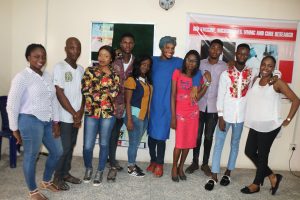
MEET THE 2019 NHVMAS LeNNiB Champions Advocates

MEET THE 2019 NHVMAS LeNNiB Champions Advocates

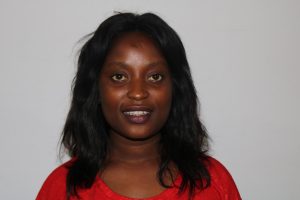
Olajumoke Adebayo is a Nurse-Midwife and reproductive health enthusiast. She began her advocacy work at the age of 19 through writing. She is the founder/team lead of Reprolife Nigeria, a social enterprise focused on improving the sexual and reproductive health and wellbeing of young people, women and children through education, advocacy and improving access to services.
She has worked as a programs officer for a social enterprise (Mamalette) and was the pioneering programs officer who designed the Motherhood cell groups and has worked with other sexual and reproductive health social enterprises and Non-profits. She also volunteers for The Nigerian Child Initiative where she helps provide health services to children in underserved communities. Olajumoke is the convener of “Passage Between Your Legs” a sexual health meet-up for young people to discuss issues around sexuality in a safe and judgment-free environment. Olajumoke is passionate about achieving optimal wellbeing of girls and women. She has interests in reproductive health and policies, Health economics, research, public speaking and travelling.

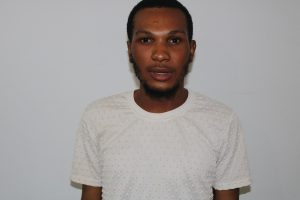
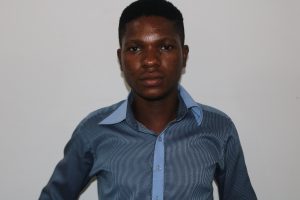
Emerald Nnoruka, hails from Anambra State, Nigeria. He is 23 years old graduate of the University of Lagos. Emerald is an intelligent hard working young man interested in building capacity and improving his skills while impacting in the lives of others. He currently works as a program associate in Access to Health and Rights Initiative(AHRDI).
Emerald is passionate about promoting the health and rights of young individuals regardless of race, religion, sexuality and other preferences. He appeals mostly to the younger generation because he is a young person who has a passion to see young people grow and achieve their dreams and aspirations. In his words, he says “I stand for justice and equality and also the rights of every human being seeing that opinions, views and all sorts of diversity are respected” He is charismatic, unique and with numerous talents to see that the society at large becomes a favorable place where we all can live together in peace and harmony.

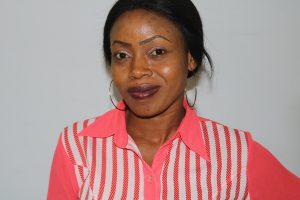
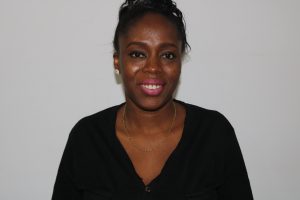
Ms. Ordu .U. Betty, who hails from Owerri in Imo State Nigeria, is a community health educator and advocate. She works with Community Health Promotion & Sustenance Initiative, as a volunteer. In the past 2 years, she has been part of the team that handled several community health outreaches that focused on sexual reproductive health and HIV education. She studied at the Polytechnic Ibadan, where she got an OND in computer science. She is a cheerful person with a happy life. Betty is passionate about young women and youths, who she believes are the “kingdom treasures”. She loves to travel occasionally.

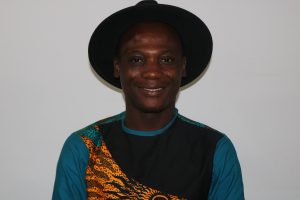
Animashaun Azeez is a community mobilizer and a sexual reproductive health advocate with over five years of experience. He has actively participated in several HIV/AIDS prevention intervention targeting Men Who Have sex with Men in Lagos Nigeria. He holds several professional certificates including HIV testing and counseling services, adherence counseling among others.

Bamiwola Hannah is a Christian and a native of Ogun state. She currently works with Youth Empowerment and Development Initiative as a master trainer and runs programmes on adolescent sexual reproductive health. She also doubles as a programme Coordinator for the HELLO LAGOS initiative (an initiative of the Lagos State Adolescent health unit that is managed by YEDI) where adolescents and young people access services on sexual reproductive health and counseling. She is a certified HIV/AIDS counselor tester, she also has training in life planning Counselling services. Through these platforms. She understands how to work with young people and the importance of young people’s involvement in advocating for sexual health and rights. She is also an event manager and loves managing events.

OFFOR GAB-CLITON NWAKOBI is a 23year old, a native of Enugu state Nigeria. He is currently an advanced level certificate holder from BRAINFILL ACADEMY in Ilorin Kwara state. I became a health worker/counselor tester, an advocate of HIV intervention and also a human right personal in 2018 after watching a movie [SHUGA] about HIV which ignited the passion to educate people about the virus. He is a volunteer worker for IMPROVED SEXUAL AND RIGHT ADVOCACY INITIATIVE [ISHRAI].
My hobbies are traveling and playing video games. I’m a very simple, caring and God fearing individual and also quick to learning and understanding.

Awodipe Olayemi is a Bachelor’s Degree holder in History and International Relations from Obafemi Awolowo University Ile-Ife(O.A.U). She is a student member of the Chartered Institute of  Personnel Management (CIPM). Olayemi works with Gender Equity and Development Initiative(GEDI) as their Programme Officer where she coordinates the recruitment process and organizes project specific training activities for grassroots women on their rights.
She is actively involved in the planning and implementation of community empowerment programs for vulnerable women. She is an intelligent conversationist and always eager to learn from people. She loves to travel and hopes her impact would be felt on a global scale.
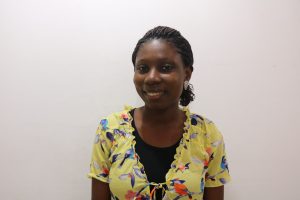
Titilayo Akindiya is a graduate of Biochemistry from University of Illorin, Kwara State. She’s been a Volunteer Health worker in Aina Ajobo primary health center, a government-owned Health center at Ogba, Lagos since December 2016. She’s currently in charge of the Pharmaceutical section in the Health Center and She also participates in programs aimed at sensitizing nursing mothers about the proper immunization process for their babies, personal hygiene, various disease prevention and treatment plans. In 2017, She worked with the World Health Organization (WHO) in the immunization tracking program to ensure that children between 0 to 5 years were duly immunized. She also actively participated and played major roles in various medical outreaches in the community, including HIV test, Hepatitis B test, Diabetes test, general body check-ups, Vitamin A and Deworming programs in primary schools. Her passion is fuelled by the need to have a safe community and a healthy people.
Ajala Kehinde Abdulhazeez is an Adolescent Reproductive Health and Rights champion for Action Era Alliance(AEA), a community-based organization working to reduce the impact of HIV and Human Rights violations among Adolescents and young people. Kehinde is also a peer educator and in this role, he promotes both in-school and out-of-school adolescent participation in defense of SRHR through peer cohort sessions, focus group discussions, and facilitates their access to adolescent-friendly sexual and reproductive health services.
Bolaji Ibrahim 
Nigeria currently living in the early 2002s in their HIV response and the civil society is as docile as a deer

Nigeria currently living in the early 2002s in their HIV response and the civil society is as docile as a deer

Nigeria currently living in the early 2002s in their HIV response and the civil society is as docile as a deer
By Brian Kayemba
HIV activists
The Fourth Civil Society Organizations Accountability Forum with the theme “Domestic Resource Mobilization: Increasing Public and Private Sector Investment” was held in Nigeria from the 13 – 15th of November 2018. The conference participants included the Civil Society, politicians, local developmental partners, Society of AIDS in Africa secretariat and the Director General of the National Agency for the Control of AIDS. Advocates for HIV Prevention in Africa (APHA) was invited to share the lessons learnt from the HIV Response in South Africa lessons activism. Treatment Action Campaign shared PowerPoint slides and a video with the delegates.

Presentations from speakers at the conference showed that HIV Financing was predominantly donor-funded with the country expenditure rising from USD299.3m in 2007 to USD632.9m in 2014. The public sector spending rose from USD 43.9m (25.6%) in 2007 to USD 171.2m (27.07%) in 2014.

The Nigeria Federal Government has mobilised state governments to devote 0.5%-1% for HIV programs.

Efforts to achieve universal access to health care due to unstable domestic financing have not borne useful fruits till date though discussions are ongoing. Sadly, in the absence of universal health coverage and currently dwindling in donor funding of the HIV response, a cost sharing mechanism is in place that has led to hospitals introducing ‘User-fees’ for health access for PLHIV – fees that were not being paid prior to dwindling donor investments.

The action for ‘user-fees’ had not been gazetted in parliament. It is therefore an unauthorised and informal out-of-pocket payment made by people living with HIV at the point of service access. This includes payment for consultation fees, medical laboratory tests or other services rendered to either outpatient or in-patient care. This does not include payment for drugs.

Unfortunately, this has affected the local community of people living with HIV. People are failing treatment. For a country with a high burden of HIV infection, the insensitivity of the n authority to the ongoing problems with the introduction of user-fees is defiance to the rights of Its citizens.

Nigeria, by the end of 2017, had 3.1 million people living with HIV and had about 210 000 new infections. The country reported 150,000 AIDS-related deaths in the same year. Only 34% of the 3.1 million are on anti-retroviral treatment.

Of the 220,000 children reported living with HIV, only 26% received antiretroviral treatment.

Access to prevention of mother to child transmission of HIV is in a dire state with only 32% of pregnant women living with HIV receiving ART. As a result, the rate of mother to child transmission has remained high at an estimated 22%. The Universal Goal of 90-90-90 is far from being achievable with the current AIDS response in Nigeria.

Nigeria HIV and AIDS response needs a multi-sectoral response with active engagement of stakeholders working in both the public and private sectors. Nigeria needs to take full ownership of the response not only in terms of funding but also in better coordination, capacity and facilitating greater involvement of local actors in moving the response forward.

The civil society and community stakeholders need to be more active in actualizing the needed change in this country. Unfortunately, active involvement of the civil society in the HIV response is very minimal.

The government has instilled so much fear in the societies. Even demonstrations though legal, can get one arrested and beaten up by the militants. Some Civil Society members, instead of demanding action from the government, are acting as government spokesperson and cover up for the government officials.

The Nigeria Civil Society needs our support as South Africans. It is heartbreaking that access to HIV medicines and access to health care is a luxury in Nigeria.

Nigerians used to say they will need to focus on their own issues, but this is no longer the same. They need helping hands. Civil Society engaged with the global HIV response needs to assist the civil society in Nigeria to enable them acquire a new sense of ownership of the HIV. It is about their lives. They need to get it back.


Kayemba wrote in from Advocates for HIV Prevention in Africa, South Africa.

HIV/AIDS: CSOs Accountability forum calls for more government support

HIV/AIDS: CSOs Accountability forum calls for more government support

Towards soliciting for domestic financing of HIV/AIDS response, a three day Accountability Forum has began in Abuja.

The conference organized by the Civil Society for HIV/AIDS in Nigeria, brought together participants from across the world.

Speaking at the opening of the forum, the Director General of the National Agency for the Control of Aids, NACA, Dr. Sani Aliyu, commended the CSOs for galvanizing support for persons Living HIV/AIDS in Nigeria.

He said that the 2018 CSOs Accountability Forum, would offer the participants the opportunity to come up with workable solutions towards addressing HIV/AIDS challenge.

He said that the government would continue to increase access to test and treatment for persons living with HIV in Nigeria.

The Executive Secretary of the Civil Society for HIV/AIDs in Nigeria, Dr. Walter Ugwuocha, said that the essence of the conference is to seek ways of sourcing for domestic funds for HIV/AIDS response.

He said that the forum also aims to bring the government and private sector together to deliberate on how to fund HIV response in Nigeria as most international donor agencies are withdrawing their support.

He noted that the CSOs are working with the government to make sure that placing additional fifty thousand patients to the treatment list becomes a reality.

The Executive Secretary also said that the CSO is satisfied with the National Aids and Impact Survey holding in Nigeria.


“The result is going to define our new status in terms of prevalence and in terms of incidence in Nigeria”, he added.

One of the participants at the conference from the Global Advocacy for HIV Prevention, in America, Dr. Kelvin Fisher, said that the conference is very important, as it affords him the opportunity to meet directly with the Nigerian HIV/AIDS community.

“It is tremendously important to be in a place like this so I can learn from the Civil Society Organisations in Africa. I need to understand what the CSOs really need. You can’t do that from the US. To find out what kind of assistance they need and understand how our decisions can best meet their needs”, he said.

On her part, the Chairman of the Governing Board of National Agency for the Control of Aids, NACA, Mrs. Paullen Tallen, said the government is working hard in the area of Prevention of Mother to Child Transmission of HIV.

“That is an area that is very dear to my heart and that is the area we are really putting more effort to ensure that our HIV mothers give birth to safe children without HIV and so far the strategy is very good, very encouraging”, She said.

Over ten countries are participating in the forum.

The theme of the Accountabily Forum is “Domestic Resource Mobilization: Increasing Public and Private Sector Investment”.

Bilkisu Pai