What is PrEP?
Pre-exposure prophylaxis, or PrEP, for HIV prevention is a strategy that involves use of antiretroviral medications (ARVs) to reduce the risk of HIV infection in people who are HIVnegative. Truvada (generic tenofovir and emtricitibine) is the only ARV to date to be approved for PrEP.
How does PrEP prevent the spread of HIV?
When cells are infected with HIV, they become little factories that make billions of new HIV viruses every day. ARVs work by blocking entry into the cell or, like Truvada, they block the production steps that HIV uses to make copies of itself once inside the cell. If an HIVnegative person has enough Truvada in his/her blood stream when exposed to HIV (during unprotected sex), the medicine keeps the HIV from making enough copies of itself to “take hold” and cause him/her to become infected.
Is PrEP a vaccine?
No. PrEP medication does not work the same way as a vaccine. A vaccine trains the body’s immune system to fight off infection for years. PrEP requires taking a pill during periods of risk for the medication to protect against infection. Unlike a vaccine, PrEP does not work after you stop taking it.
Is PrEP Effective?
When used consistently and as prescribed, PrEP has been shown to reduce the risk of HIV infection by more than 90 percent among people at high risk for HIV infection, including men who have sex with men and heterosexually-active men and women and people who use drugs.
What are the likely side effects of using Truvada as PrEP?
The most common side effects seen in the studies of Truvada as PrEP include headache, nausea, vomiting, rash and loss of appetite. However these effects usually go away within a few weeks of starting PrEP. There are rare kidney and bone side effects, making it important to get screened by your doctor for any pre-existing conditions. Potential PrEP users need to weigh the benefits of using oral PrEP against the risk of these minor side effects.
How does PEP differ from PrEP?
PEP, or post-exposure prophylaxis, is an HIV prevention strategy that uses a course of antiretroviral drugs for four weeks to reduce the risk of HIV after exposure to HIV (e.g., unprotected anal or vaginal sex, needle stick pricks, or the sharing of needles.) Ideally PEP should begin within an hour of possible infection and no longer than 72 hours after exposure, whereas PrEP should be taken during (before and after) the time high-risk exposure may take place.
Who is PrEP meant for?
While PrEP is not an option for everybody, it is an option for many people. PrEP can be used by those who are at high risk of becoming infected with the HIV virus. The term used to describe people at such substantial risk for HIV infection is ‘key populations.” In Nigeria, these include adolescent girls and young women, sex workers, men who have sex with men (MSM), discordant couples and people who inject drugs—many of whom face various barriers to access to health including stigma, criminalisation and lack of supportive service delivery infrastructure.
If anyone can answer yes to any of the questions below, then PrEP may be one HIV prevention strategy to consider.
- Do you sometimes have sex without a condom?
- Do you often get STIs in your butt, and or vagina or penis?
- Have you taken post-exposure prophylaxis (PEP) more than once in the past year?
- Are you in a sero-discordant relationship, where your sexual partner is HIV positive and not taking ARVS and virally suppressed and you are HIV negative?
- Are you in an open relationship or having unprotected anal and/or vaginal sex with multiple partners? •
- Are you having sex with someone whose HIV status you don’t know?
- Are you having sex with someone in a community, city or region where the HIV prevalence is high—that is, where there are large numbers of people living with HIV?
Does PrEP also protect against other STIs besides HIV?
No, PrEP does not protect against other STIs. PrEP only reduces your risk of getting HIV. But STI screening should be a routine part of PrEP care along with HIV testing and counseling.
Why do we need PrEP in Nigeria?
In Nigeria, the HIV epidemic has remained the second largest in the world and there is urgent need to reduce new infections. The Ministry of Health has also set as its priority the 90:90:90 targets. This is an ambitious UNAIDS treatment target where 90% of people living with HIV know their status, 90% of people living with HIV receive sustained antiretroviral treatment and 90% of people receiving antiretroviral therapy have durable viral suppression. It will be increasingly hard to achieve this if we don’t stop new infections, and in the absence of an effective vaccine, PrEP is one of the ways we can stop new infections.
Why is PrEP receiving more attention than other HIV prevention strategies?
PrEP advocates are pro-HIV-prevention, not solely pro-PrEP. It is critical that there is scaleup in the delivery of existing options. Once PrEP is implemented in South Africa, it will be one strategy in a comprehensive prevention approach that includes a variety of already proven methods such as male and female condoms, syringe exchange, medical male circumcision, PEP and treatment. If proven to be effective, other prevention options still being researched such as vaccines and microbicides will be added to this prevention package.
Won’t providing PrEP divert scarce resources from ARVS?
PrEP should not compete with, undermine or replace the availability and promotion of other existing HIV prevention methods including treatment. In fact, the introduction of PrEP will complement existing strategies and give people a wider choice of options. The more HIV averted by PrEP, the more feasible it will be to treat all those with HIV. PrEP will not lead to drug shortages. For example it has been documented that drug stockouts in the country are due to poor management, not lack of resources.
What is the Status of access to PrEP in South Africa?
Truvada is not currently licensed for prevention in Nigeria; however, it is licensed for treatment of HIV infection as part of combination antiretroviral therapy.
What are PrEP demonstration projects and why are they important?
PrEP demonstration projects are carefully planned undertakings or activities that provide information on how to best deliver a new intervention in the real-world South African setting. At the moment, we have adequate data to prove that PrEP works but we need additional information to answer the following questions:
- Will people want PrEP?
- Who would access it if it’s available?
- Will people take a daily medication they know prevents HIV?
- How will sexual practices change for those using PrEP—will they increase risk?
- Will PrEP be safe in the “real world”?
- How and where would it be delivered?
- Who pays for it, and is it cost-effective?
These demonstration projects are being conducted in some of our communities here in South Africa.
I’m a transwoman or transman who is taking hormones; will PrEP work for me?
More research needs to be done to figure out if hormones interact with Truvada and change its HIV protection effectiveness, but no interactions have been reported to date.
If I take PrEP, does this mean I have to take it for the rest of my life?
No. It is recognized that people go in and out of “seasons of risk,” where there are certain times it makes sense to take PrEP and then other times where it doesn’t make sense to take PrEP. For instance, an individual might use PrEP at a time when he/she feels they are at higher risk, and then stop taking it and choose another prevention option better suited to their changing needs.
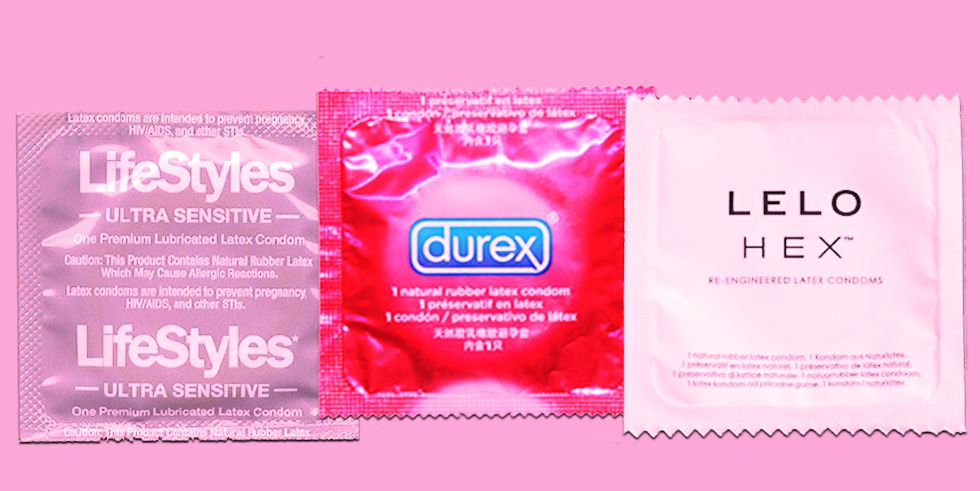
If I take PrEP, can I stop using condoms when I have sex?
You should not stop using condoms because you are taking PrEP. PrEP, however, is most beneficial when targeted to those not using condoms. It’s important to note that PrEP medications don’t give any protection from other infections you can get during sex, like condoms do. That’s why people taking PrEP are recommended to regularly get screened and treated for STIs.
How long does it take for PrEP to become protective?
The highest level of protection against rectal exposure to HIV is achieved after seven daily doses of Truvada PrEP. High-level protection for vaginal exposure comes after 20 days of daily use.
What happens if access to PrEP is interrupted?
For men, if a daily dose is missed, PrEP is still effective but the level of HIV protection may decrease. It only works if you take it correctly and consistently. It is important to note that there is no evidence that similar missed PrEP doses in women will show any protection.
Are there sexual side effects of taking Truvada for PrEP?
Available data from completed studies show people have not complained about sexual side effects. On the contrary: many have said sex has improved due to less anxiety and fear of HIV.
If I drink alcohol and/or use recreational drugs, is it safe for me to take Truvada for PrEP?
Alcohol and recreational drugs are not known to interact with Truvada for PrEP. In fact, PrEP can be taken before drug and alchohol consumption, unlike condoms which are required at the time of sex when judgement might be impaired.
What are the long-term effects of taking Truvada for PrEP?
As of right now, we do not know the long-term effects of taking Truvada for PrEP. Truvada can be associated with kidney and bone problems in HIV positive people but these side effects are not significant in HIV negative, healthy people with no previous problems. It is important to work with your doctor to monitor any potential long-term effects as part of regular HIV screening while on PrEP.
Does PrEP work differently for “tops” or “bottoms”?
Bottoms are already at much greater risk for HIV than tops. One of the great things about Truvada for PrEP is that the drugs are known to be good at protecting people from infection during receptive anal intercourse. After you swallow the pill and Truvada is absorbed into the body, much of it winds up in the colorectal (bowel) tissue—ready to fight any HIV that it encounters. That doesn’t mean that PrEP isn’t a good prevention option for tops—it just means it has even greater benefits for bottoms because they are more biologically vulnerable to HIV.
Will drug resistance occur with the use of oral PrEP?
Most people taking PrEP are HIV negative, therefore, drug resistance is not a problem because there is no HIV to make copies of itself in the body. Studies show no resistance in people who test negative and take PrEP correctly and consistently. Before starting PrEP, it is important to make sure that you are HIV-negative because you run the risk of developing HIV drug resistance if you already are living with HIV. This is because Truvada is not sufficient on its own for treating HIV. To avoid HIV resistance, regular HIV testing while on PrEP is a key component of the PrEP package.
What needs to be done to make PrEP available in South Africa?
PrEP is real, it works and it should be made available in Nigeria.
- Gilead needs to prioritise Truvada registration as PrEP in Nigeria
- Advocates need to ensure that there is adequate and accurate information to enable potential users of PrEP to demand PrEP